Energy Revolution System is a low-cost digital guide that teaches you how to build a small DIY power generator at home, and in 2026 it has become one of the most searched home-energy products in the USA. Electricity bills keep climbing, power outages are more common, and many homeowners want some control over where their energy comes from. That is exactly the gap this guide promises to fill.
If you have seen an ad for it, you have probably seen big promises: cut your bill, build a generator for under $200, and do it with parts from a hardware store. Naturally, people want to know one thing before they click buy. Is it real, or is it just clever marketing?
This article gives you a complete, honest answer. We pulled together what independent reviewers, hands-on testers, and buyers have reported, and we compared those reports against basic electrical science. You will not find hype here. You will find what the product is, what it actually does, who it suits, and who should skip it.

I gave it 4.0 out of 5 for the right buyer. It praised the low price, instant digital access and educational value for people who enjoy winding coils and experimenting, but advised against buying it purely to slash an electricity bill.
I bought the guide, spent about $100 on parts, and built the device over a weekend. He found the instructions clear even with basic wiring skills, and his build lit a small LED strip and charged a low-watt gadget. His verdict: a fun, working proof of concept, not a way to power your home.
I concluded it is not a scam, because buyers receive real blueprints and instructional material. However, they felt the marketing promises far more than any guide at this price can deliver, and that no DIY guide will eliminate power bills.
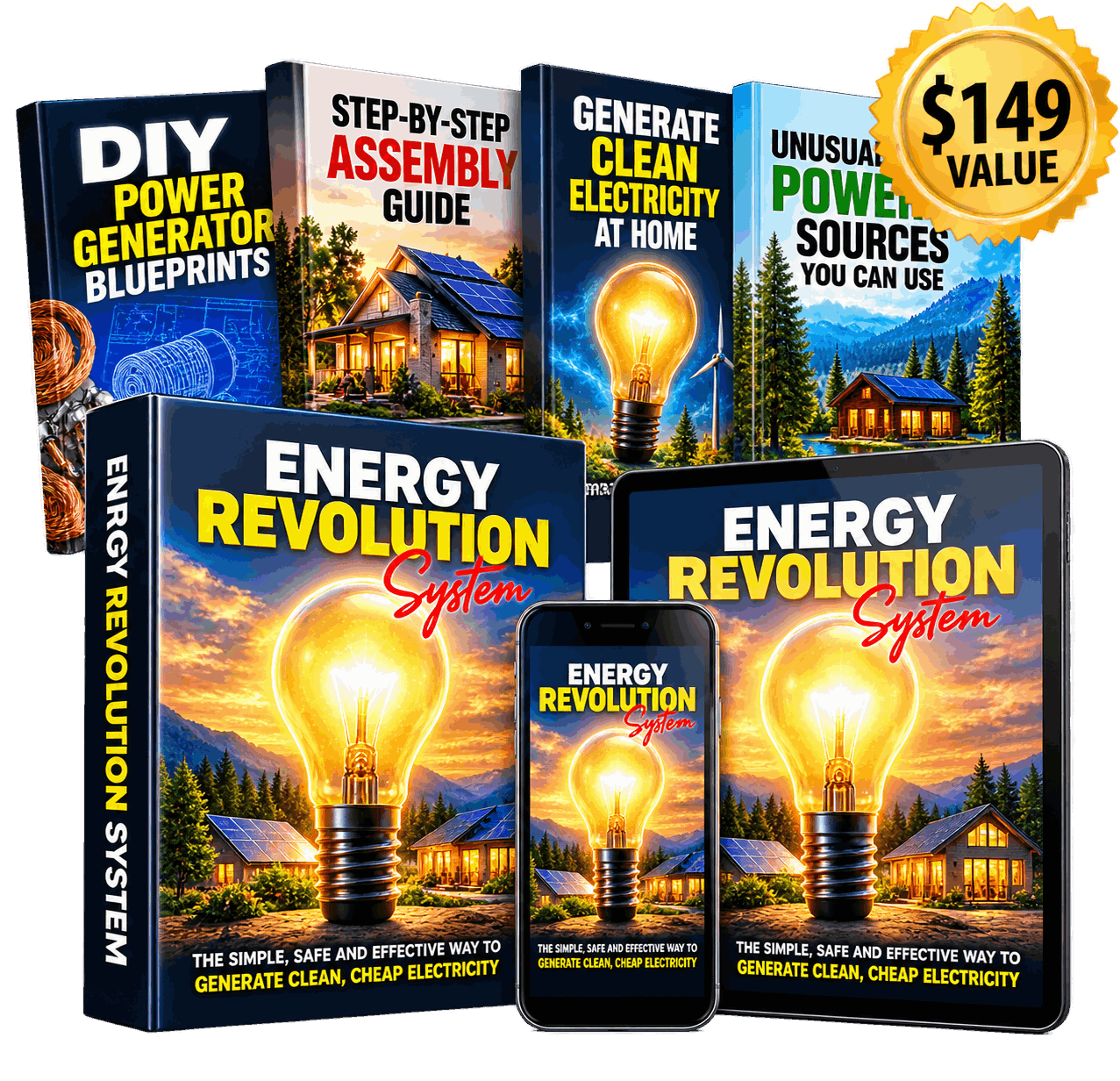
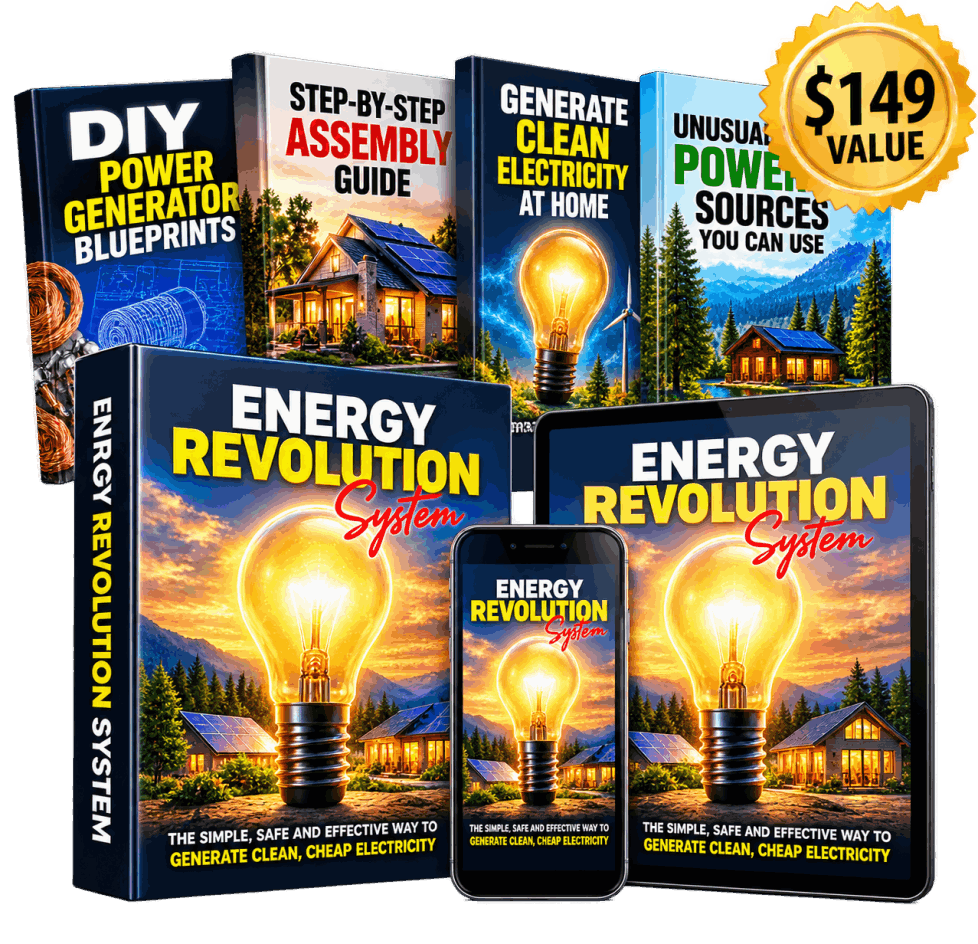
Energy Revolution System is a step-by-step instructional program that shows ordinary people how to assemble a compact, DIY power generator using wire, magnets, coils and a few common electrical parts. It is sold as a downloadable package of PDFs, blueprints, wiring diagrams and a materials list.
The design is inspired by Nikola Tesla's bifilar coil, patented in 1894. A bifilar coil is made by winding two wires side by side instead of one. This arrangement changes the coil's self-capacitance and how it stores and releases energy in a circuit. It is real, documented electrical engineering, and it still appears in electronics today.
The guide takes that historic idea and turns it into a beginner-friendly weekend project. According to the sales material and several reviewers, you do not need an engineering degree. If you can follow a diagram, use basic hand tools, and handle simple wiring, you can complete the build.
The program is positioned as a response to rising utility costs and grid outages across the USA. The pitch is simple: instead of paying thousands for a solar installation, you spend a small amount on a guide and a modest amount on parts, then build something yourself.
An important reality check
Here is where honest reviews separate from hype. Some marketing describes a closed-loop circuit where a small input turns into a bigger output. That is not how physics works. No coil, magnet or circuit can produce more energy than goes into it.Tesla's coil design is legitimate, but it does not create energy from nothing.
What hands-on testers actually report is modest. One reviewer who built the device said it produced enough electricity to light a small LED strip and charge a low-watt gadget. He described it as a fun proof of concept, not a replacement for the power company. That is the most useful way to think about the product: an educational DIY generator project, not a magic box.How the Energy Revolution System Works (and Its Key Features)
The Energy Revolution System works on electromagnetic induction, the same principle behind every generator and alternator in the world. When a magnetic field moves relative to a coil of wire, it pushes electrons through that wire and creates a current. The guide shows you how to build a small device around this principle using a bifilar coil layout.
Affordable Entry Into Home Energy
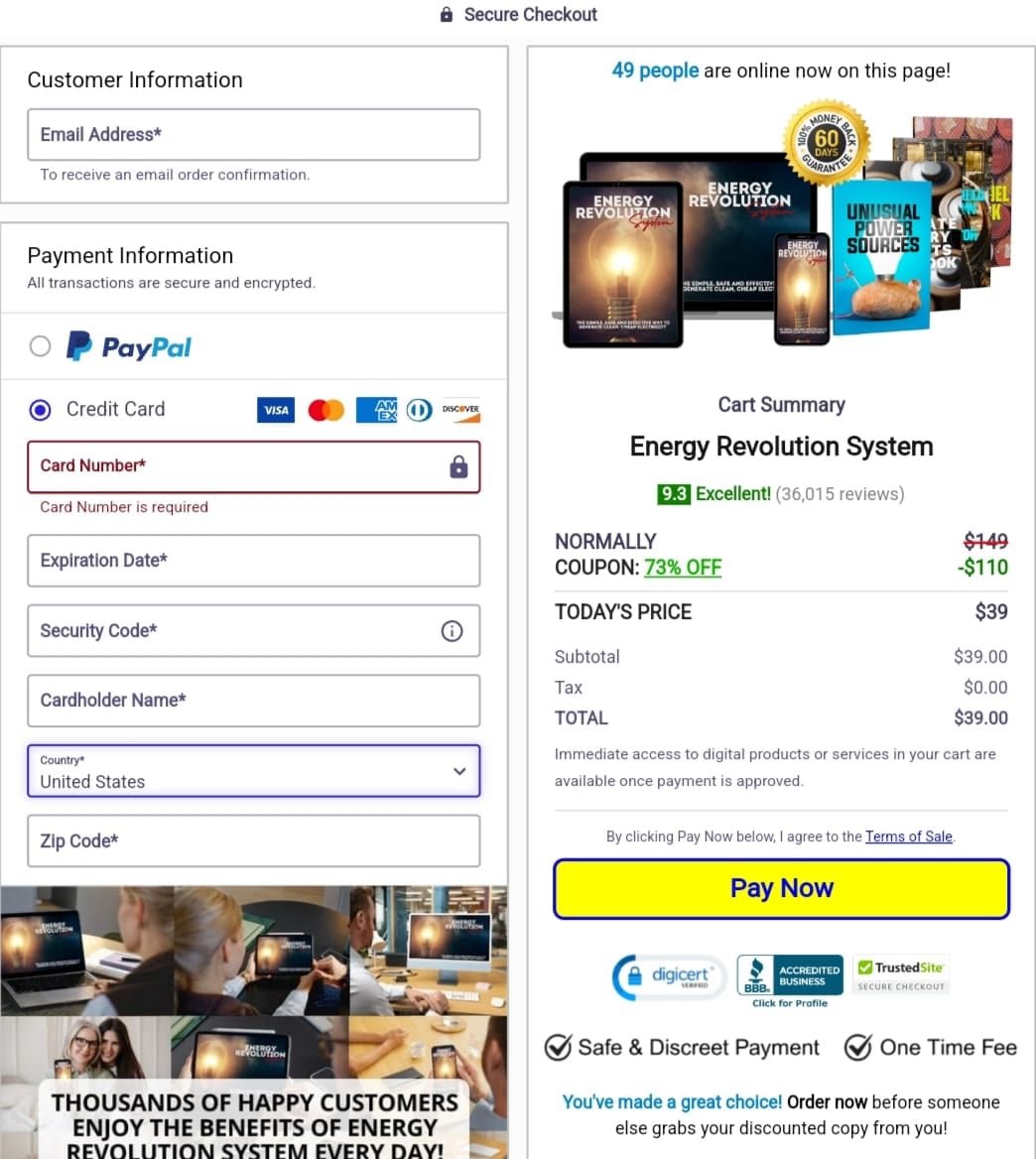
The guide costs around $39 to $49, and the parts usually come in under $150. Compared with solar panels or a commercial generator that can cost thousands, it is a low-cost way to start exploring your own power source.
Easy, Beginner-Friendly Instructions
Every stage of the build comes with clear pictures and labeled diagrams. You do not need an engineering background, just basic tools, patience and a willingness to follow the steps.
Hardware-Store Parts
The design uses no rare or specialty components. Everything is on a single shopping list you can take to any local hardware or electronics store.
Real Hands-On Learning
You see electromagnetic induction work right in front of you instead of just reading about it. That understanding helps you make smarter choices if you later invest in solar or battery backup.
Quiet, Clean and Portable
There is no engine, fuel or exhaust, so it is quiet and safe to keep indoors. The finished unit is compact enough to move between rooms or pack for a camping trip.
Handy Small Backup Power
Paired with a battery, the unit can run LED lights or charge low-watt devices during short outages. It makes a useful addition to any emergency or preparedness kit.
Low-Risk Purchase
The 60-day money-back guarantee covers the guide price. You have time to read the material and try the build before deciding whether to keep it.
Limited Power Output
The device produces a modest amount of electricity. It can handle lights and small gadgets, but it cannot run major appliances or power a whole home.
Marketing Overpromises
Some ads suggest dramatic bill savings or near-free energy. Independent reviewers agree those claims are exaggerated, so go in with realistic expectations.
Parts Cost Extra
The guide is digital, so you must buy materials separately. The refund guarantee covers the guide price only, not the parts you purchase.
Requires Time and Effort
Winding the coil and wiring the circuit takes patience and basic hands-on skill. First-time builders should plan to spend a full weekend on the project.
DIY Safety Responsibility
You are the builder, so safe wiring is up to you. Stick to low-voltage components and never connect a homemade device to your home's electrical panel.
Only Sold Online
The Energy Revolution System is available only through its official website, not on Amazon or in stores. Watch for optional upsells during checkout and only add what you need.
Energy Revolution System comes with a 60-day 100% money-back guarantee, offering full protection for your investment.
Energy Revolution System's team are confident in the value and effectiveness of the system, which is why they provide this guarantee. If, for any reason, you are not completely satisfied with your experience or the results you achieve, you can receive a full refund within 60 days of your purchase, no questions asked.
This ensures that you can try the program risk-free, knowing that if it doesn’t meet your expectations, you won’t lose your investment.
It is a digital DIY guide that teaches you to build a small power generator using a Tesla-inspired bifilar coil, magnets and common hardware-store parts.
It produces a small, measurable amount of electricity. Testers report powering LED lights and charging low-watt devices. It does not power a whole home.
No. Any savings are small and supplemental. Be cautious of claims promising huge monthly reductions.
Yes, if you are comfortable with basic tools and simple wiring. The illustrated instructions are the product's strongest feature.
Most first-time builders finish in a weekend. Later builds go much faster.
Only on the Energy Revolution System official website. It is not sold on Amazon or in retail stores
The guide is commonly discounted to $39 to $49 from a $149 list price. Check the official website for today's offer.
It uses low-voltage components, but any DIY electrical project has risks. Insulate connections and never wire a homemade device into your home's electrical panel.
Yes. The guide comes with a 60-day money-back guarantee. Materials you buy separately are not covered.
Website Software